Yet Remote Control Manufactory specialized in wireless remote control with 20 years of experience.
Language
1. Introduction
The reflective infrared photocell sensor is a highly - versatile and useful device in the field of automation and sensing.
With its unique features such as a control distance of up to 15 meters, the option of jumper - cap for NC/NO, and a separate working status signal indicator, it has found applications in a wide range of scenarios. This article will explore various application scenarios of this sensor and discuss its potential for application extensions.
2. Sensor Description
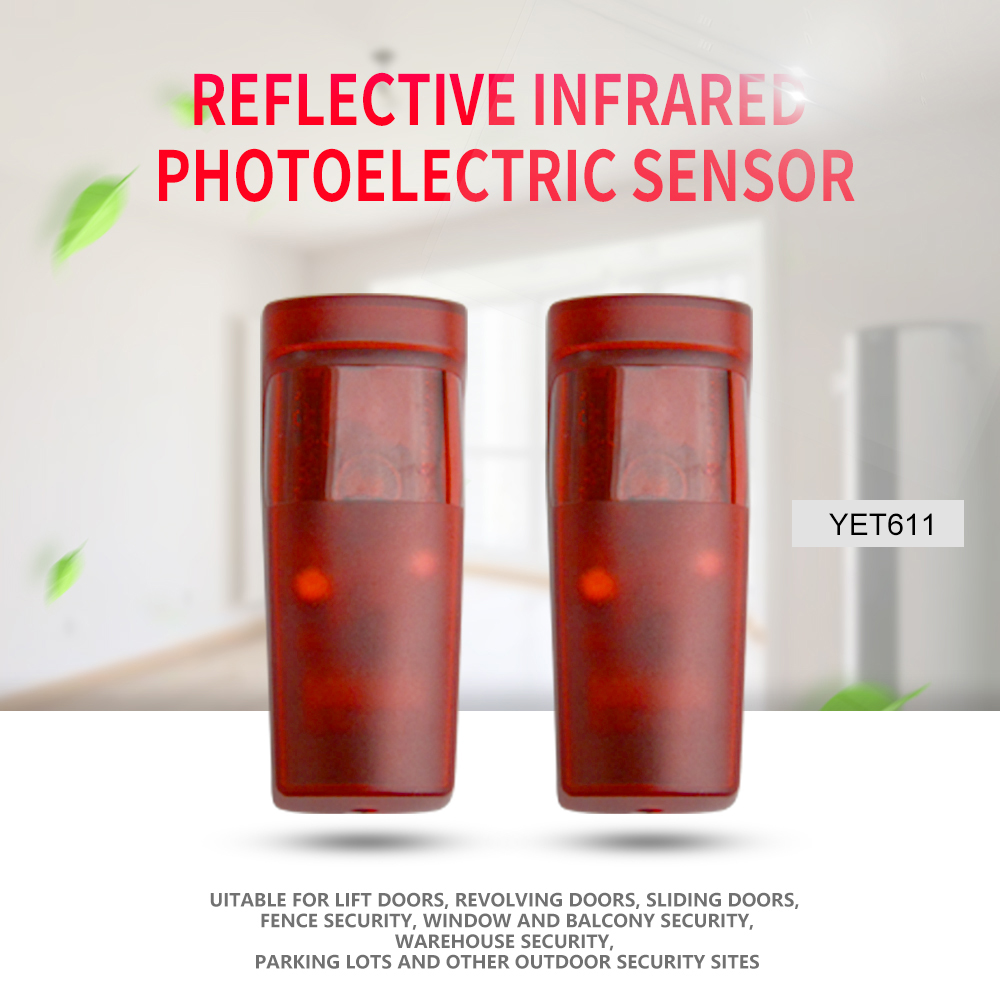
The reflective infrared photocell sensor operates on the principle of infrared light reflection.
It has a voltage range of AC/DC 12 - 24V, making it compatible with a variety of power sources commonly used in industrial and commercial settings. The control distance of 15 meters is a significant feature, allowing it to detect objects or changes in the environment over a relatively long range. The jumper - cap option for NC (Normally Closed) and NO (Normally Open) provides flexibility in circuit design, enabling users to configure the sensor according to their specific requirements. Additionally, the separate working status signal indicator is a convenient feature that allows for easy monitoring of the sensor's operation.
3. Application Scenarios
3.1 Industrial Automation
In industrial automation, the reflective infrared photocell sensor plays a crucial role. For example, in conveyor - belt systems, it can be used to detect the presence or absence of objects on the conveyor belt. When an object passes through the sensing range of the sensor, the infrared light is reflected back to the sensor, triggering a signal. This signal can be used to control various processes, such as starting or stopping a machine, counting the number of products, or diverting products to different routes.
In manufacturing lines, the sensor can also be used for quality control. It can detect the presence of parts in specific positions, ensuring that all components are in place before the next manufacturing step. For instance, in an assembly line for electronic devices, the sensor can verify if a particular chip or component has been correctly placed on the circuit board. If the sensor does not detect the expected reflection, it can send an alert to the operator or trigger a corrective action in the automated system.
3.2 Access Control Systems
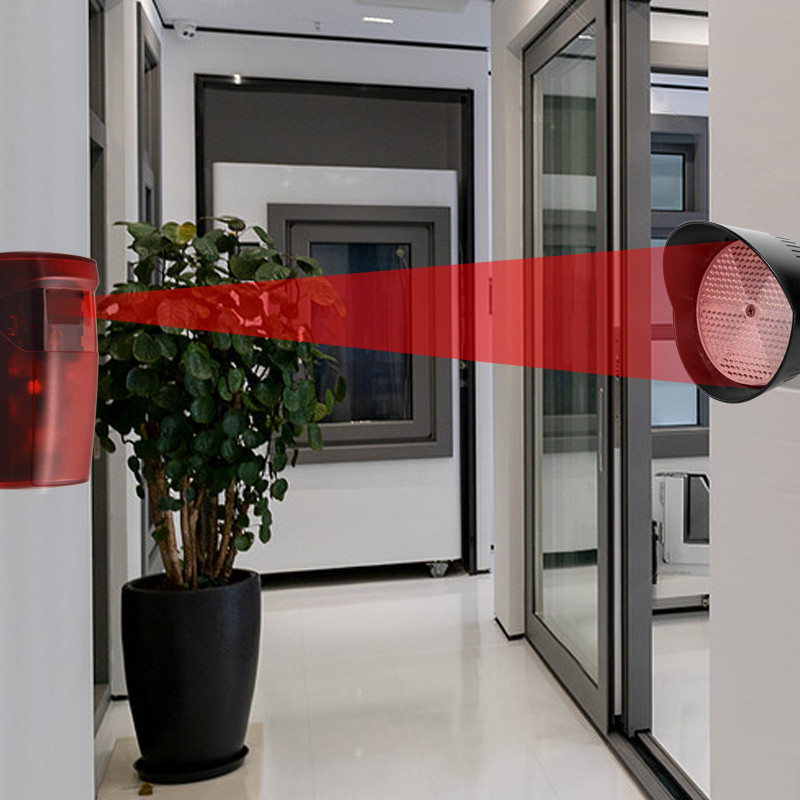
Access control is another area where the reflective infrared photocell sensor is widely applied. In automatic doors, the sensor can detect the approach of a person or a vehicle. When an object enters the 15 - meter sensing range, the sensor sends a signal to the door - control system, which then opens the door. This provides a convenient and hands - free access solution, especially in high - traffic areas such as shopping malls, airports, and office buildings.
3.3 Logistics and Warehousing
In logistics and warehousing, the reflective infrared photocell sensor is used for inventory management and material handling. In large warehouses, the sensor can be installed at the entrance and exit of storage racks to monitor the movement of goods. When a product is removed from or placed into a rack, the sensor detects the change in the reflection pattern and records the event. This information can be used to update inventory levels in real - time, ensuring accurate stock management.
3.4 Agricultural Applications
In agriculture, the reflective infrared photocell sensor can be used for various purposes. For example, in greenhouse monitoring, it can be used to detect the presence of plants or objects in specific areas. This can help in automated irrigation systems, where the sensor can detect the dryness of the soil or the presence of plants that need watering. When the sensor detects a certain condition, it can trigger the irrigation system to water the plants.
3.5 Retail and Point - of - Sale (POS) Systems
In retail, the reflective infrared photocell sensor can enhance the shopping experience. In self - checkout systems, the sensor can be used to detect the presence of items on the scanning platform. When an item is placed on the platform, the sensor detects the change in the infrared reflection and triggers the scanning process. This helps to speed up the checkout process and reduces human error.
The sensor can also be used for anti - theft purposes in retail stores. By installing the sensor at the entrance and exit of the store, it can detect the movement of items that have not been properly scanned or paid for. If an unauthorized item is detected leaving the store within the sensor's range, it can trigger an alarm system.
4. Application Extensions
4.1 Integration with Internet of Things (IoT)
One of the most promising application extensions of the reflective infrared photocell sensor is its integration with the Internet of Things (IoT). By connecting the sensor to a network, it can send real - time data to a central server or a cloud - based platform. This data can be analyzed to gain insights into various processes. For example, in a manufacturing line, the sensor data can be used to optimize production schedules, predict equipment failures, and improve overall productivity.
In a smart home environment, the sensor can be integrated with other IoT devices. For instance, it can be used in combination with smart lighting systems. When the sensor detects the presence of a person in a room, it can send a signal to turn on the lights. The working status signal indicator can also be used to provide feedback to the user through a mobile application, indicating whether the sensor is functioning properly.
4.2 Use in Autonomous Vehicles
With the development of autonomous vehicles, the reflective infrared photocell sensor can play a role in their sensing systems. Although it may not be the primary sensor for long - range detection, it can be used for short - range object detection. For example, in self - driving forklifts or small autonomous delivery vehicles, the sensor can be used to detect obstacles in close proximity, such as walls, other vehicles, or pedestrians.
The sensor's relatively long control distance of 15 meters can also be useful in certain scenarios. For example, in a large industrial park, an autonomous vehicle can use the sensor to detect the presence of other vehicles or obstacles in its path over a short - to - medium range, complementing other long - range sensors such as LiDAR and radar.
4.3 Environmental Monitoring Extensions
In environmental monitoring, the reflective infrared photocell sensor can be used in combination with other sensors. For example, it can be used to detect the presence of objects in water bodies in combination with water - quality sensors. If an object such as a floating debris or a fish is detected within the sensor's range in a water - monitoring system, it can trigger additional data collection or analysis.
In air - quality monitoring stations, the sensor can be used to detect the presence of objects or changes in the environment around the station. This can help in ensuring the normal operation of the monitoring equipment and detecting any potential interference.
4.4 Healthcare Applications
In healthcare, the reflective infrared photocell sensor can be used in hospital automation systems. For example, in patient - monitoring systems, it can be used to detect the movement of patients in their rooms. If a patient leaves their bed or moves in an unexpected way, the sensor can send a signal to the nursing station. This can be especially useful for patients who need constant supervision, such as those in intensive care units or elderly patients.
The sensor can also be used in medical equipment. For instance, in some medical devices that require precise positioning of parts, the sensor can be used to detect the correct placement of components. The separate working status signal indicator can provide feedback on the operation of the sensor in these medical applications, ensuring the reliability of the overall system.
5. Conclusion
The reflective infrared photocell sensor, with its features such as a 15 - meter control distance, jumper - cap option for NC/NO, and a separate working status signal indicator, has already demonstrated its value in a wide range of application scenarios. From industrial automation to healthcare, the sensor has proven to be a reliable and versatile device.
As technology continues to evolve, the potential for application extensions of the sensor is vast.
Integration with IoT, use in autonomous vehicles, environmental monitoring extensions, and healthcare applications are just some of the areas where the sensor can further expand its influence. With proper research and development, the reflective infrared photocell sensor is likely to play an even more significant role in the future of automation and sensing systems.